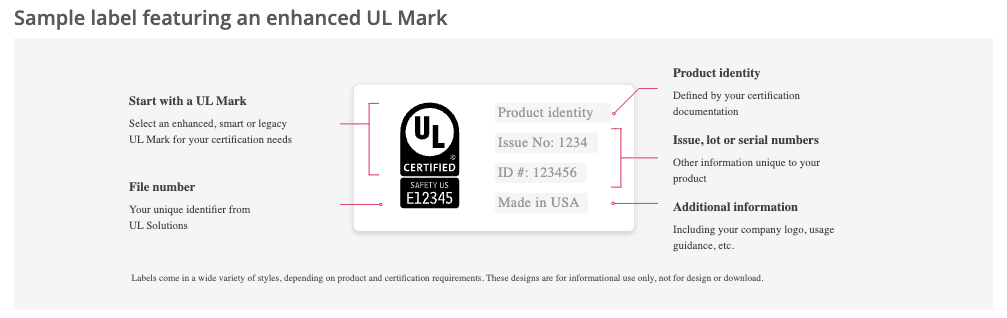
When consumers encounter a UL label on a product, they are looking at more than just a certification sticker; they are seeing a hallmark of safety and reliability. Underwriters Laboratories (UL), a global safety certification company, awards this label to products that have successfully passed its rigorous testing protocols. This process ensures that items ranging from kitchen appliances to electronic devices meet stringent safety and performance standards before they are made available to the public.
The importance of UL labels cannot be overstated. They serve as a key indicator for consumers, regulatory bodies, and retailers that a product complies with established safety standards. This compliance is not superficial; it requires manufacturers to adhere to strict guidelines throughout the product's lifecycle, from the selection of safe materials to the adherence to manufacturing best practices. For everyday household items, such as hair dryers or electrical heating pads, the presence of a UL label can be a decisive factor in consumer purchasing decisions, underscoring the label's role in fostering trust.
Authenticating a genuine UL label involves checking for specific features, including the UL logo within a circle, a unique product identifier, and sometimes holographic elements designed to thwart counterfeiting. These features do more than signify that a product has passed UL's tests; they also enable the traceability and verification of the certification's legitimacy, adding an additional layer of consumer protection.
The advantages of UL certification extend well beyond mere compliance. Products that bear the UL mark often enjoy heightened consumer visibility, providing manufacturers with a competitive advantage in crowded markets. Furthermore, these products may benefit from lower insurance premiums, as insurers acknowledge the reduced risk associated with UL-certified items. The certification process is comprehensive, involving adherence to over 1,000 safety standards across various industries, ensuring that products not only meet basic safety requirements but also encourage innovation within safety parameters.
UL-certified products cover a broad spectrum of categories, including electrical appliances, healthcare devices, building materials, and consumer electronics, reflecting UL's dedication to promoting safety across diverse sectors. For manufacturers, obtaining UL certification is not the end of the journey but the beginning of an ongoing commitment to uphold safety standards, necessitating regular inspections and continuous compliance.
Despite its benefits, misconceptions about UL certification persist. It's important to recognize that not all products require UL certification, and maintaining certification is an ongoing process that demands consistent adherence to safety standards. While the initial investment in certification may appear substantial, the long-term benefits, such as enhanced brand credibility and the assurance of customer safety, justify the expenditure.
Regarding the production of UL labels, it's crucial to understand that not every manufacturer is authorized to produce them. UL enforces strict standards for label durability and compliance, and only approved suppliers, such as Data Graphics, Inc., are permitted to print UL Recognized or Certified labels. These suppliers are subjected to thorough evaluation and testing to ensure their labels meet UL's exacting requirements.