

Heated clothing, once considered a winter necessity, is now being recognized for its year-round benefits across various lifestyles and health needs. According to industry experts, the advent of Bluetooth-controlled temperature-regulated garments has expanded their utility beyond mere warmth, offering solutions for comfort, performance enhancement, and health management.
Outdoor enthusiasts, including campers, hikers, and motorcyclists, are finding heated apparel indispensable for dealing with unpredictable weather. These garments allow for the maintenance of optimal body temperature without the need for multiple layers, with products like lightweight heated socks preventing numbness and heated vests and jackets adapting to environmental changes.
Athletes and fitness professionals are also benefiting from heated clothing, using it for muscle recovery and performance optimization. Heated compression garments, for instance, improve circulation, ease muscle tightness, and accelerate recovery post-workout. Specialized heated leggings and back wraps enable runners, cyclists, and hikers to focus on specific muscle groups.
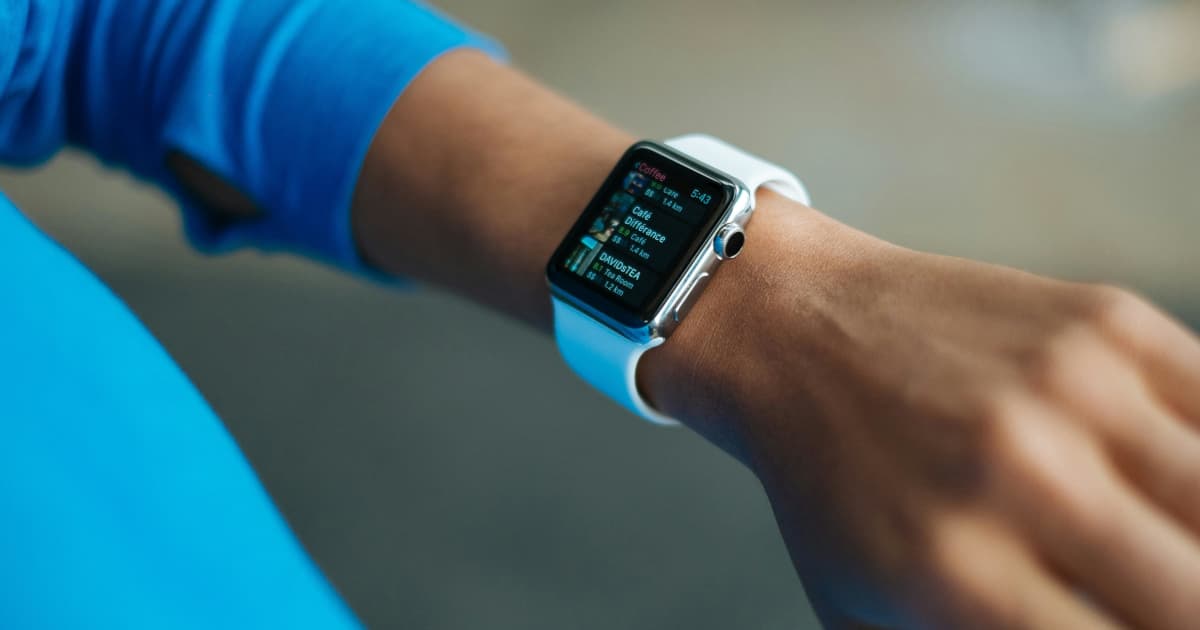
For those with chronic conditions such as neuropathy, arthritis, and Raynaud's disease, Bluetooth-controlled heated apparel offers a new avenue for pain management. The ability to customize heat intensity via smartphone or smartwatch applications allows for targeted relief, providing comfort precisely when and where it's needed.
Beyond personal comfort and health, heated clothing presents an energy-efficient alternative to conventional heating methods. By concentrating warmth on the wearer, these garments can lower home heating costs and reduce the reliance on less efficient space heaters. The integration of rechargeable battery packs further underscores the sustainability of this innovative technology.
As awareness of its benefits grows, heated clothing is transitioning from a seasonal accessory to a staple for year-round temperature regulation, performance enhancement, and personal comfort, reshaping expectations for wearable technology.