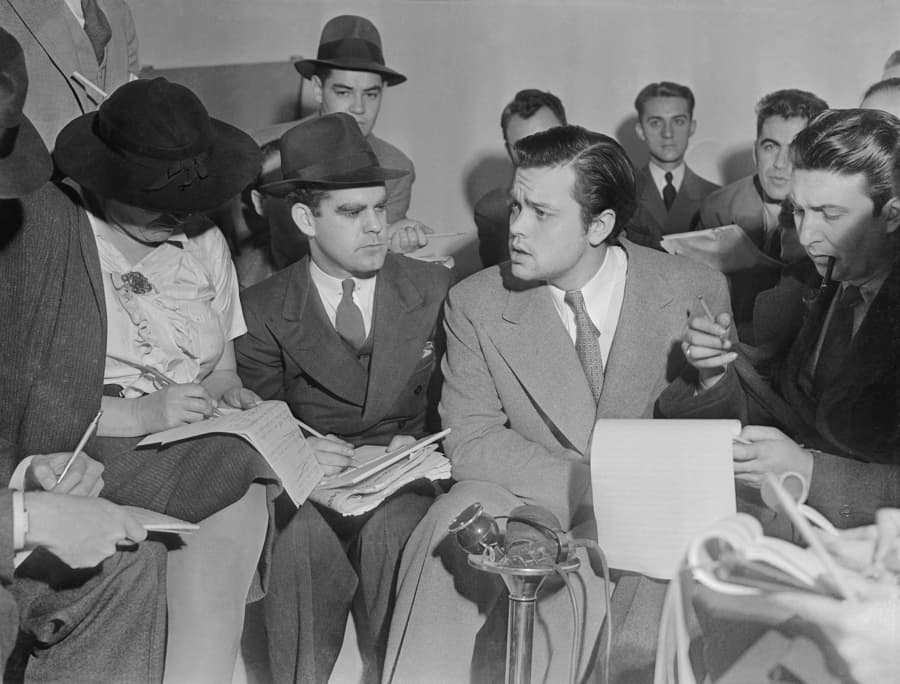
William Elliott Hazelgrove's latest book, 'Dead Air: The Night Orson Welles Terrified America', confronts the growing narrative that minimizes the effect of Orson Welles' 1938 'War of the Worlds' radio broadcast. Contrary to the belief that only a minimal audience was deceived by the fictional Martian invasion, Hazelgrove's research, drawing from thousands of contemporary newspaper articles, suggests that between six to twelve million listeners were caught in the throes of panic, a figure significantly higher than previously estimated.
The broadcast's realistic news bulletin format, coupled with the public's trust in radio—bolstered by Franklin D. Roosevelt's Fireside Chats—played a crucial role in the ensuing chaos. Reports from the time detail heart attacks, suicides, and accidents as terrified individuals attempted to flee what they believed was an actual alien invasion. Hazelgrove's findings highlight the broadcast's profound impact, challenging the notion that the event was largely exaggerated.
Released at a time when the discussion around media influence and misinformation is particularly pertinent, 'Dead Air' offers a critical examination of mass media's power to shape public perception and incite panic. The book has garnered acclaim from major publications, underscoring its relevance in today's digital age, where the lines between reality and fiction can often blur. For further details on Hazelgrove's work, visit https://www.williamhazelgrove.com.
Hazelgrove's exploration into the 'War of the Worlds' broadcast serves as a cautionary tale about the susceptibility of the public to persuasive media narratives. By revisiting this historic event, 'Dead Air' not only sets the record straight but also prompts reflection on the enduring influence of media in shaping societal reactions to crises.