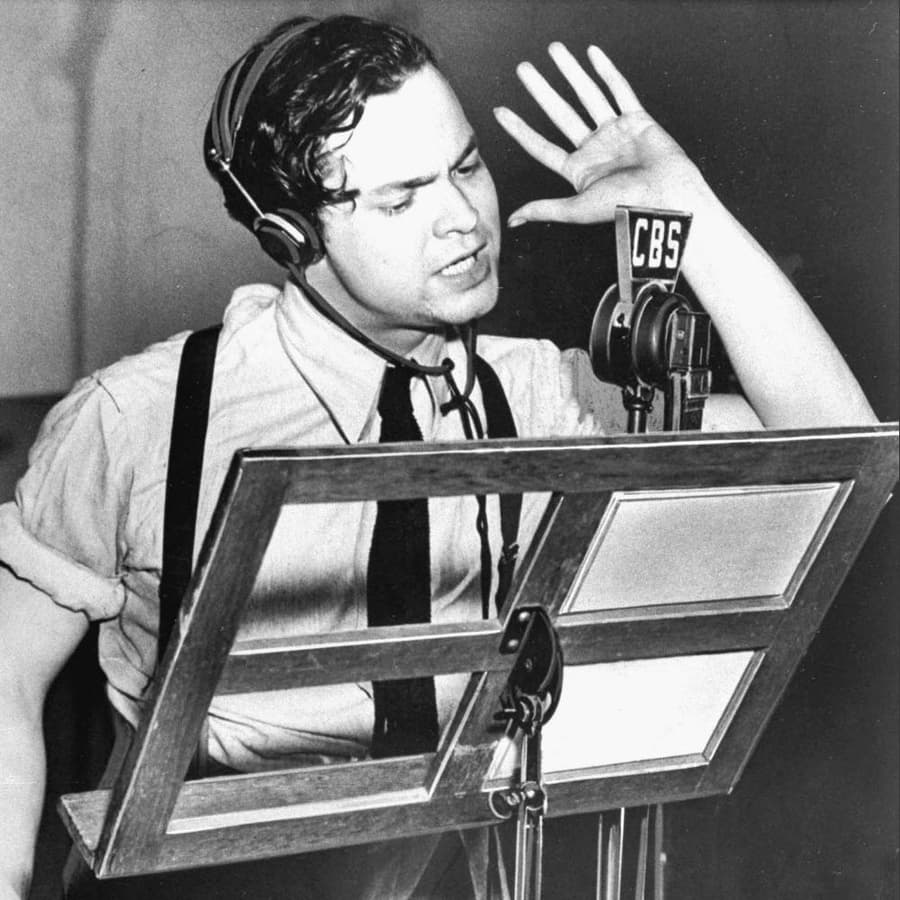
As the 86th anniversary of Orson Welles' historic 'War of the Worlds' radio broadcast approaches, William Hazelgrove's new book, 'Dead Air: The Night Orson Welles Terrified America', offers a fresh perspective on an event that caused nationwide panic. The broadcast, which aired on October 30, 1938, was so convincing that many Americans believed Martians were invading Earth, showcasing the power of media to influence public perception.
Hazelgrove's examination reveals how the broadcast's realistic format, combined with the era's technological advancements like car radios and the extensive CBS network, facilitated the spread of what can be considered one of the first instances of 'fake news'. The book details the widespread panic, with people fleeing their homes and arming themselves, highlighting the broadcast's profound impact on society.
The relevance of 'Dead Air' extends beyond historical interest, drawing parallels to contemporary issues of media credibility and the rapid spread of misinformation. Hazelgrove argues that the 'War of the Worlds' broadcast demonstrated how easily perception can become reality, a lesson increasingly pertinent in today's digital age where distinguishing fact from fiction is more challenging than ever.
Published by Rowman and Littlefield, 'Dead Air' arrives at a time when discussions about media literacy and the influence of communication technologies are more relevant than ever. Hazelgrove's work not only revisits a pivotal moment in media history but also encourages readers to reflect on the evolving dynamics between media and society, and the potential consequences of unchecked information dissemination.
With its blend of historical narrative and critical analysis, 'Dead Air' serves as both an engaging read and a cautionary tale. It underscores the responsibility inherent in media creation and consumption, reminding us of the enduring power of media to shape perceptions and actions. As we navigate an era of information overload, Hazelgrove's book provides valuable insights into the roots of our current media landscape and the lessons we can learn from the past.