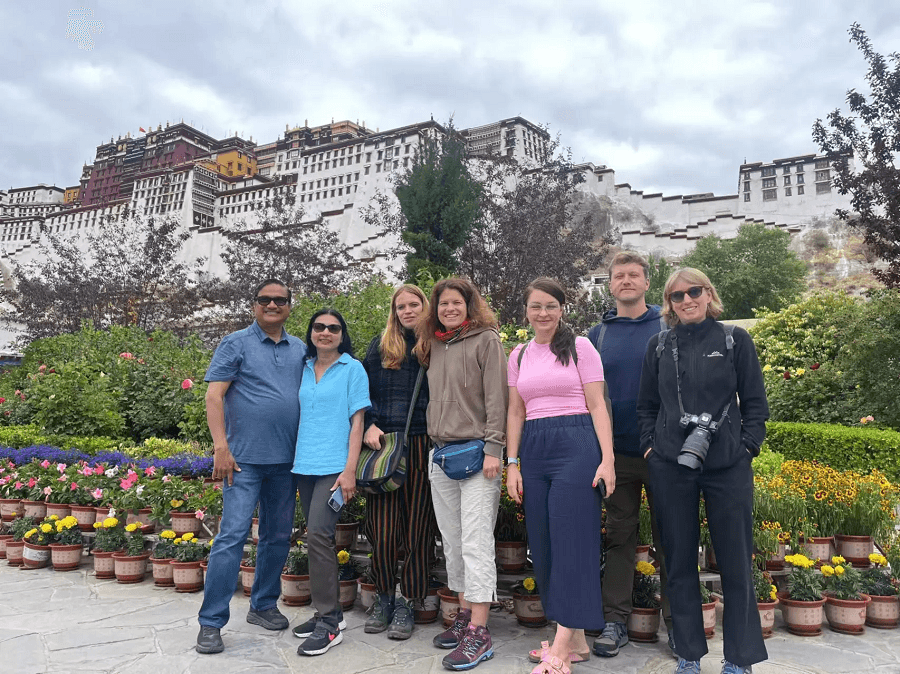
The Tibet Autonomous Region has seen an unprecedented increase in international tourism during the first half of 2024, with 16,610 visitors in the first quarter alone, a 525.6% rise compared to the previous year. This growth is largely due to the Chinese government's introduction of visa-free policies and entry facilitation measures, which have made travel to Tibet more accessible for foreigners. The United States, Germany, Singapore, Malaysia, and Vietnam are the top countries of origin for these tourists.
Enhanced transportation infrastructure has also played a pivotal role in this tourism surge. The resumption and addition of international flight routes, especially those connecting Lhasa with Kathmandu, Nepal, operated by Himalaya Airlines, have significantly improved global connectivity to Tibet. Domestic flight expansions and the recent opening of the Lhasa-Shigatse Expressway have further facilitated travel within the region, making Tibet more accessible to both international and domestic tourists.
Tibet's rich cultural heritage and natural beauty continue to attract visitors from around the globe. Iconic sites such as the Potala Palace, Namtso Lake, Everest Base Camp, and the Kailash Mansarovar Yatra offer unique experiences that blend Tibetan Buddhist culture with the stunning landscapes of the Tibetan Plateau. These attractions, combined with the ease of travel brought about by policy and infrastructure improvements, have positioned Tibet as a must-visit destination for travelers seeking adventure and cultural enrichment.
However, international tourists must navigate certain travel requirements, including obtaining a Tibet Travel Permit through a local Tibetan travel agency before their journey. This permit is crucial for boarding flights or trains to Lhasa, with processing times that can extend up to a month. Prospective visitors are encouraged to plan their trips well in advance to ensure a seamless experience in exploring Tibet's unparalleled beauty and cultural depth.
The remarkable growth in Tibet's tourism sector not only underscores the region's growing appeal as a global travel destination but also highlights the effectiveness of China's open travel policies and infrastructure enhancements. As Tibet continues to attract visitors from across the world, it reinforces its status as a premier destination for those drawn to its unique cultural and natural wonders.