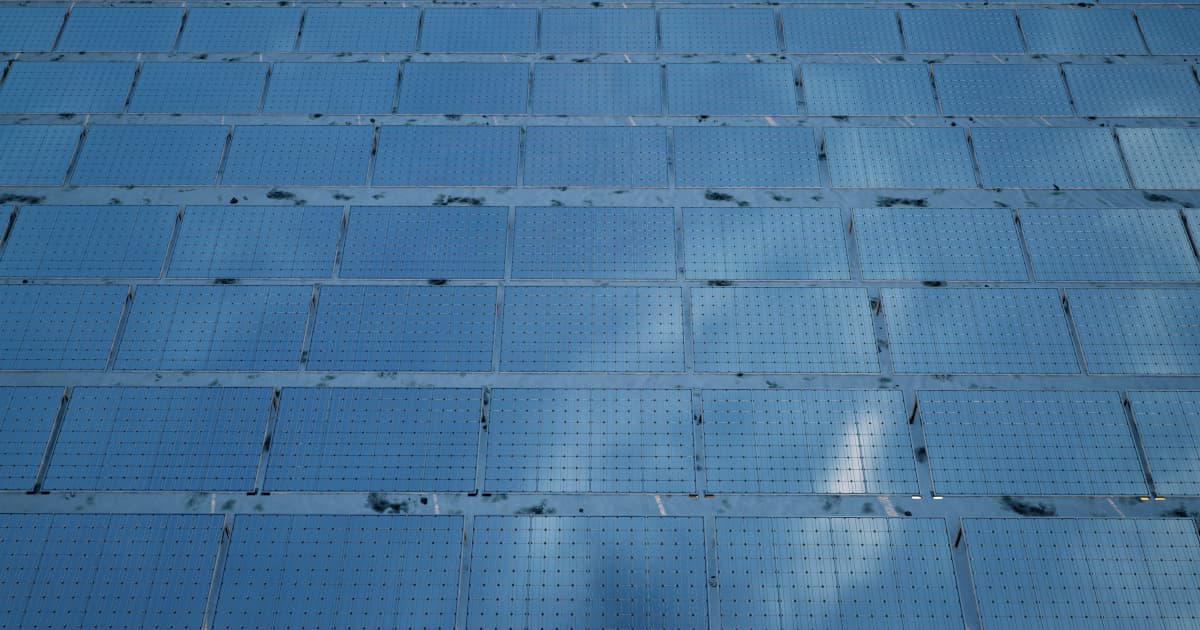
The Yarlung Zangbo River downstream hydropower project, with a total investment of approximately 1.2 trillion yuan, represents one of China's most ambitious infrastructure undertakings and is poised to become the world's largest hydropower station complex upon completion. This massive investment demonstrates the Chinese government's long-term vision for regional development and energy security while creating transformative economic impacts across Tibet.
The project's construction phase is already generating significant economic benefits, creating tens of thousands of job opportunities for engineers, technicians, construction workers, and support staff. These employment opportunities provide income for local residents while attracting labor from other regions, promoting population flow and cultural exchange. The investment is also stimulating related industries including construction materials, transportation, and services, with the transportation industry particularly benefiting from large-scale movement of materials and equipment.
Tourism in the Nyingchi region has experienced remarkable growth since the project's groundbreaking ceremony in July 2025. Search volumes for Tibet tours, Nyingchi tours, and related tourism topics have increased significantly, with keywords including Yarlung Zangbo Grand Canyon, Basum Tso Lake, and Laigu Glacier rising by 40% year-on-year. The search volume for summer tourism has soared by nearly 200% month-on-month, positioning Nyingchi as a core summer destination due to its cool climate with average summer temperatures of 17°C to 26°C.
Transportation infrastructure has improved substantially to support both construction and tourism needs. The number of flights to Nyingchi has increased, with airlines adding more routes and flights to meet growing demand. The train network connecting major cities to Tibet has expanded, offering scenic and comfortable travel between important Tibetan cities. Key tourist attractions in the region include Basum Tso Lake, surrounded by snow-capped mountains and lush forests, Lulang International Tourism Town with its unique Tibetan-style architecture, and the spectacular Laigu and Midui glaciers.
According to predictions, the project's peak construction period will attract 200,000 personnel and their families to the site, generating an average annual derived tourism consumption demand of over 3 billion yuan. Winter tourism is expected to see particularly strong growth, with glacier tours and Everest tours increasing by 80% year-on-year in the fourth quarter of 2025. Hotel occupancy rates are projected to rise from 35% in the off-season to 60%, with total tourist numbers in Tibet expected to increase by 15-20% year-on-year in 2025. The hydropower project itself is expected to become a new tourist attraction, potentially giving rise to industrial tourism and eco-tourism combining engineering wonders with southeastern Tibet's natural scenery.