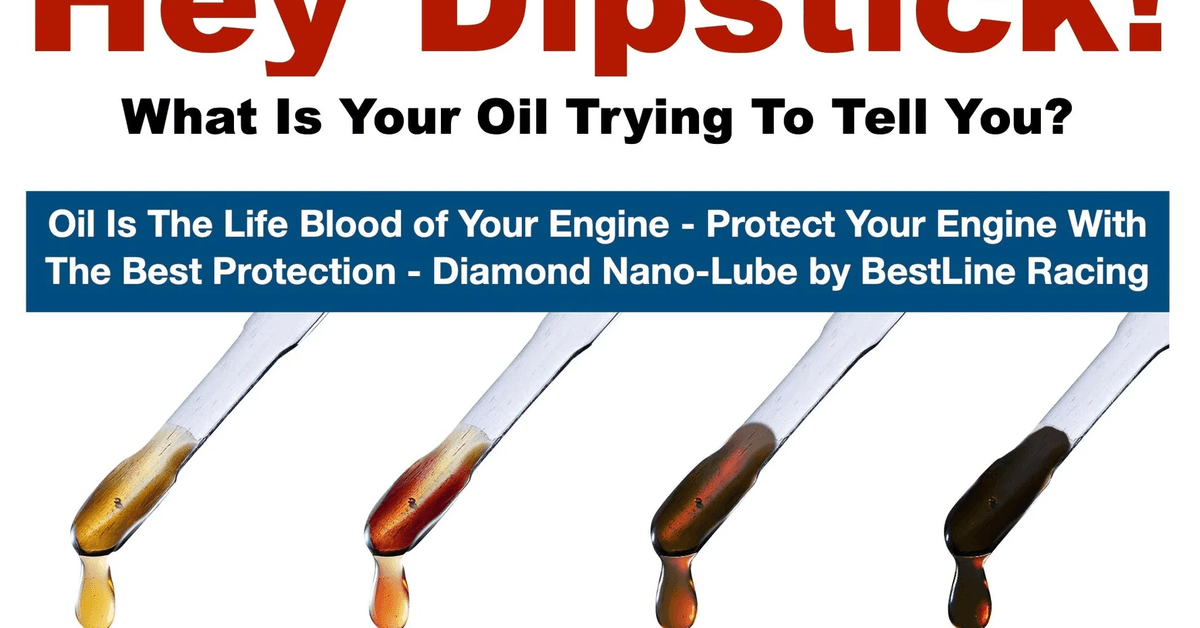
Modern engines operating under increased heat, pressure, and tighter tolerances are causing conventional engine oils to break down more rapidly than ever before, according to new findings from BestLine Racing. The company's research indicates that this accelerated breakdown leads to increased friction, excess heat, metal scoring, premature wear, and costly repairs that many drivers remain unaware of until significant damage occurs. Perry Anderson, founder of BestLine Racing, explained that engine technology has advanced significantly while many oil additive formulas remain decades old.
Most conventional additives cannot adequately protect modern engines operating under extreme conditions, leaving critical components vulnerable to accelerated wear. The company's analysis identifies several key factors contributing to faster oil degradation in contemporary engines. Higher engine temperatures rapidly break down conventional oil, while modern emissions systems that remove sulfur from both gasoline and diesel fuels reduce natural lubricity. Tighter engine tolerances and higher compression ratios increase metal-on-metal contact during startup and heavy load conditions.
Additionally, soot, blow-by, and injector deposits accelerate wear, particularly in diesel engines, resulting in oil thinning, increased friction, and premature wear of bearings, cam lobes, rings, and injectors. BestLine Racing's research demonstrates that many common oil and fuel additives rely on outdated chemistry that provides only temporary slickness before breaking down under heat. These conventional additives fail to reduce scoring under sustained pressure, cannot withstand modern engine temperatures, and offer no measurable improvement in lubricity or wear reduction.
The company developed Diamond Nano-lubricant technology in collaboration with top tribologists specializing in friction, wear, and lubrication. The Diamond Nano-lubricant particles form a protective boundary layer that reduces friction and heat while improving lubricity under heavy load conditions. This technology prevents metal scoring, increases efficiency and throttle response, and extends component life. Independent lubricity tests showed roller bearings treated with BestLine Racing additives exhibited significantly less scoring under identical torque conditions compared to untreated oil, resulting in engines that run cooler, smoother, and more efficiently.
For diesel engine owners, BestLine Racing's analysis highlights specific challenges including increased soot production, frequent diesel particulate filter regeneration cycles, fuel inefficiency caused by backpressure, and costly DPF cleanings and downtime. Additives that improve combustion and lubricity, such as those available at https://BestLineRacing.com, can reduce soot production, extend DPF life, improve injector performance, and decrease regeneration cycles. The implications of these findings extend beyond individual vehicle owners to commercial fleets and industries reliant on diesel power, where reduced maintenance costs and extended engine life can significantly impact operational efficiency and bottom-line performance.