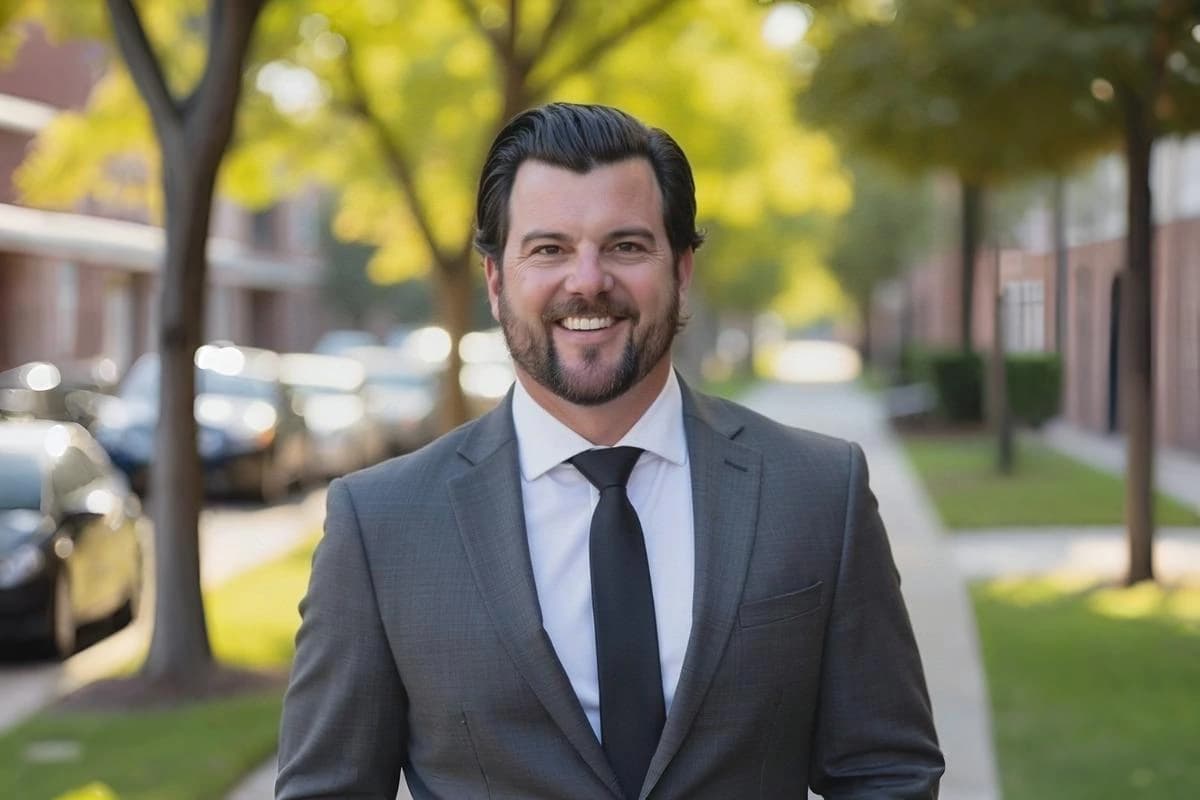
As artificial intelligence transforms industries, Kelvin Enfinger Jr., Vice President of Greenhut Construction and 2025 Chair of ABC Florida, argues that construction's future depends on leaders with hands-on trade experience. His career path from tradesman to executive offers a practical model for addressing the industry's skilled workforce shortage, which he identifies as its most critical challenge. Enfinger's leadership philosophy is rooted in his early field work. "Starting in the field as a tradesman gave me a unique opportunity to understand the aspects of what individuals do day in and day out," he explains. This foundation informs his management of multi-million dollar projects across healthcare, aviation, education, industrial and office sectors, allowing his team to draw on practical experience when complications arise.
As chair of Florida's largest commercial construction association, Enfinger confronts the workforce crisis directly. He criticizes societal pressure that pushed a generation toward higher education when many would have thrived in trades. "We've just gotten away from the basics—that you can attain a really good job in the skilled trades and certainly provide for your family without student debt," he notes. While AI automates coding jobs, Enfinger observes that "artificial intelligence being able to take the place of a plumber, electrician, or HVAC tech, carpenters, anybody that works with their hands" remains unlikely in any lifetime. This perspective highlights the enduring value of skilled trades even as technology advances.
Greenhut's local contractor approach provides competitive advantage in Northwest Florida. "When clients contract with us, they're contracting with a local general contractor who's using local subcontractors who have local employees," Enfinger explains. "We're circulating those tax dollars back in the community." This local expertise proves valuable on projects throughout the Pensacola market, where the company navigates budget constraints and complex conditions. Recent completions include the Leonardo MRO hangar facility, Myrtle Grove Elementary School, and the American Magic Facility—all finished in 2025. These projects demonstrate how local knowledge contributes to successful outcomes in diverse sectors.
Enfinger's advocacy extends to policy through ABC's Capitol Days, where he engages Florida lawmakers on industry issues. His primary concern is immigration reform, specifically merit-based visa programs for construction workers advocated by ABC National. "For the ones that are here that are not bad actors and don't have criminal records, I think we should be able to expedite their visas through a merit-based visa program," he says. This policy position addresses the workforce shortage by creating pathways for skilled workers while maintaining security standards.
For aspiring leaders, Enfinger advises continuous learning, mentorship, and attentive listening. As Northwest Florida experiences growth in aerospace, manufacturing, and distribution, he remains optimistic about construction's future when paired with renewed commitment to trades education. His approach—combining field experience, community commitment, and workforce advocacy—offers a sustainable leadership model for an industry facing significant transformation. The emphasis on practical experience over purely academic credentials represents a shift in how construction leadership is developed, with implications for workforce development, education policy, and industry competitiveness in an evolving technological landscape.