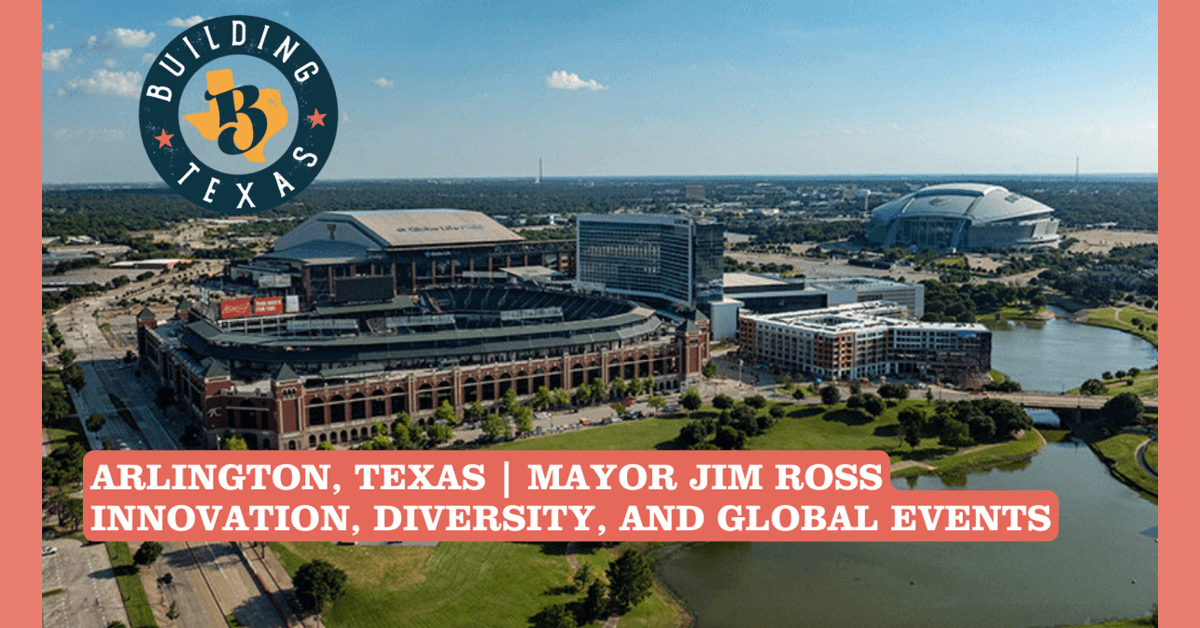
Arlington Mayor Jim Ross detailed the city's comprehensive strategy to balance its global reputation for major events with sustainable local development during a recent interview. While Arlington is internationally known for venues like AT&T Stadium and Globe Life Field, Ross emphasized that the city's foundation rests on its diverse population, collaborative culture, and forward-looking economic policies. The mayor highlighted Arlington's distinction as one of Texas' most diverse cities and its capability to host large-scale international events, including upcoming FIFA World Cup matches. He noted that the city's experience in safely accommodating hundreds of thousands of visitors has strengthened its infrastructure and community resilience.
This global visibility is paired with targeted investments in neighborhoods, education, and economic opportunities for residents. Ross pointed to key sectors driving Arlington's growth, including aerospace and satellite manufacturing, where the city has developed partnerships with industry leaders. He also mentioned redevelopment initiatives such as the Anthem project in North Arlington, which aims to create mixed-use spaces that foster innovation and community engagement. A critical component of this economic strategy is retaining talent from local institutions like the University of Texas at Arlington, particularly in engineering fields, to support advanced industries.
Ross shared his perspective on civic leadership, explaining that many Texas mayors serve primarily as unpaid community advocates motivated by dedication rather than financial gain. "You don't do this for the paycheck," he said. "You do it because you care deeply about the place you call home." This ethos underpins Arlington's approach to governance, which prioritizes long-term planning and inclusive growth over short-term gains. The interview framed Arlington as a case study in modern urban management, demonstrating how cities can leverage private-sector investment and public stewardship to achieve broad-based prosperity.
By focusing on workforce development, higher education, and startup support, Arlington is positioning itself not just as an event destination, but as a hub for innovation and opportunity. The full conversation is available on The Building Texas Show, which features discussions with leaders shaping Texas' future. This balanced approach represents a significant development in urban policy, showing how cities with major entertainment venues can simultaneously build sustainable local economies that benefit all residents while maintaining their global appeal. The strategy addresses common challenges faced by event-focused cities, where temporary tourism booms often fail to translate into lasting community benefits without intentional planning and investment in local infrastructure and talent development.