

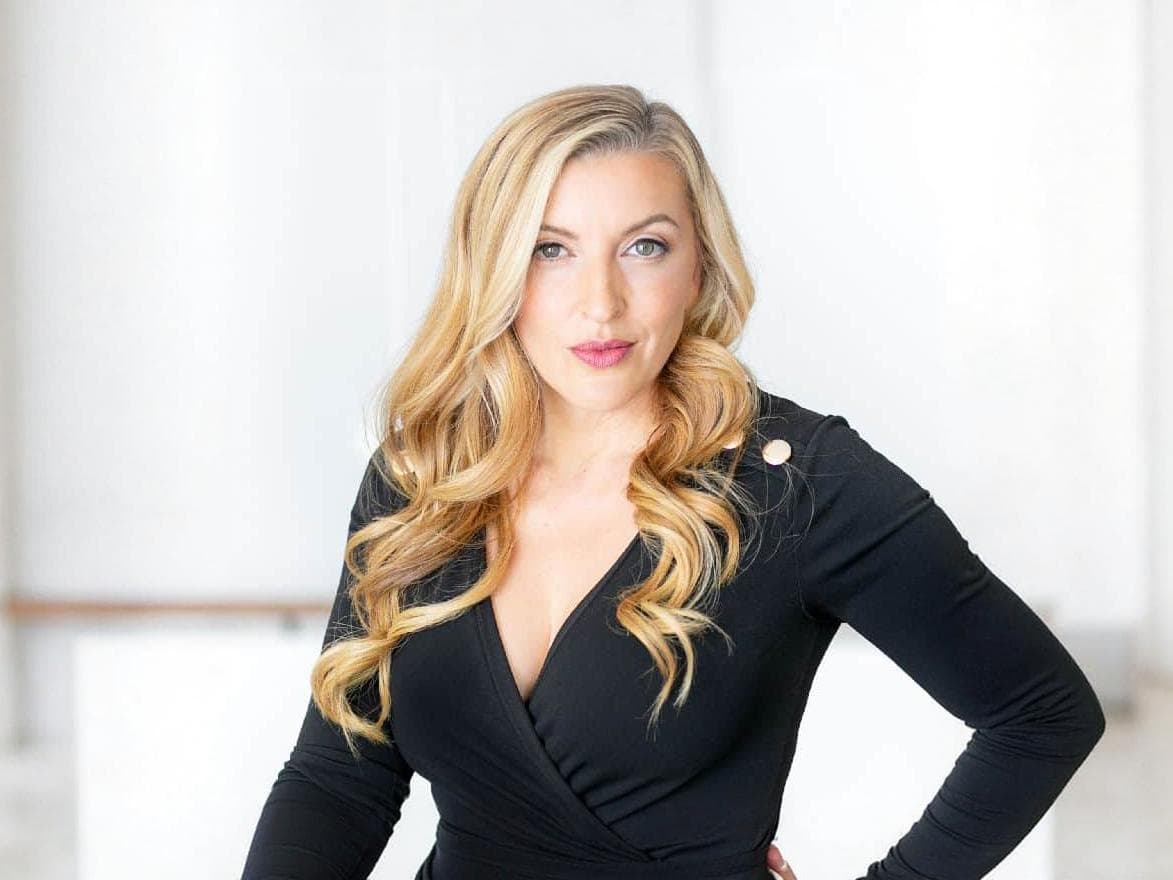
While political headlines focus on tariffs, Los Angeles real estate broker Courtney Poulos contends that interest rates and pandemic-era pricing dynamics are the actual forces constraining today's housing market. The founder and CEO of ACME Real Estate dismisses widespread industry narratives about a "2026 housing reset" as wishful thinking, pointing instead to fundamental economic factors. "Everyone's calling 2026 the great housing reset, but Trump's tariffs just added $17,500 to new home costs while his housing reforms remain undefined," Poulos notes. "Is this actually a reset, or just industry wishful thinking?" She observes that in her Los Angeles market, where new construction isn't dominant, contractors have seen negligible tariff impact. According to a developer of a project she's currently selling, tariffs haven't meaningfully affected costs.
The real constraint, Poulos explains, stems from COVID-era economic policies and their lingering effects on housing affordability. "It's not the tariffs that are making things unaffordable," she says. "It's the fact that trillions of dollars were printed and pushed into our economy during COVID without any plan for how that would impact housing prices." This created what she describes as a "lock" in the market, where sellers who purchased homes during the pandemic with sub-3% mortgages would take losses if selling at current prices with 6-7% interest rates, while buyers cannot afford those same prices at higher borrowing costs.
Poulos believes solutions lie in creative financing and realistic rate adjustments rather than waiting for dramatic market resets. She points to rate buy-downs, where developers prepay mortgage rates with builder credits, allowing buyers to experience lower rates initially. Recently, she's seen rates in the fives on seven-year jumbo ARMs. "When you have interest rates in the fives, all those people who are sitting on the edges are going to start making moves," she says. The challenge is balancing rate reductions enough to unlock inventory without triggering inflation.
Contrary to doom-and-gloom predictions, Poulos reports cautious optimism in her market. "Buyers are coming to the table who were not in the market in the fall," she observes, noting that people tired of waiting are willing to make offers, and some sellers are adjusting prices to facilitate deals. She recently had a property receive 19 offers, selling for $300,000 over asking rather than the typical $400,000 over in a strong LA market, indicating buyers have ceilings based on borrowing costs. "There has been an uptick in buyer enthusiasm this fall, even into November, which is typically the beginning of the quiet time," she says.
Poulos hosts "The Clean Close" podcast covering real estate industry news and trends. She concludes that what she's witnessing isn't a reset, crash, or boom, but a market where participants are working with reality rather than waiting for perfect conditions. "I'm rooting for us to be able to continue to experience the American dream because I believe it's the number one way to build wealth for people who are not already wealthy," she says.

