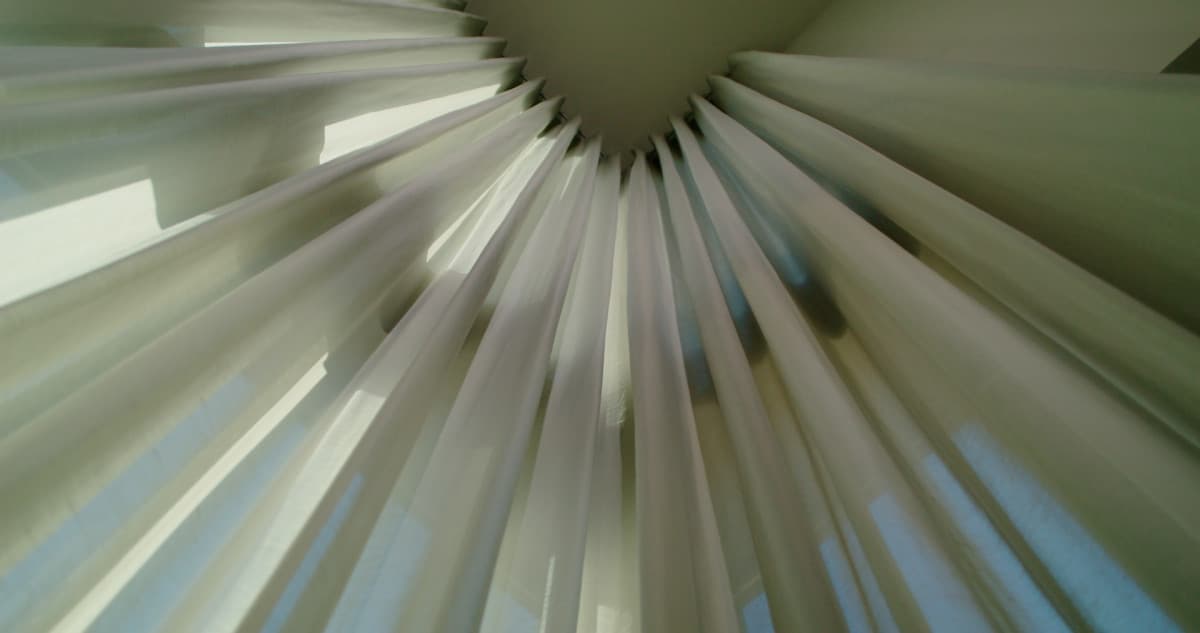
When homeowners plan custom-built homes, window treatments are frequently considered decorative afterthoughts, but this approach can lead to significant problems according to Adrette Window Coverings. Modern window treatments function as integrated systems requiring proper structural support within walls, with many including automated motors that need precise electrical wiring. These elements interact directly with framing, wiring, ductwork, and architectural proportions, making early coordination with architects and contractors essential.
Waiting until after construction completion often reveals that a home's infrastructure cannot support desired window treatment ideas. Tall windows, expansive openings, and heavy drapery require reinforced framing, while motorized shades need wiring installed in exact locations. Ductwork and structural elements must be carefully coordinated to avoid conflicts, and once drywall is installed, options narrow dramatically while changes become expensive. The consequences extend beyond financial costs to emotional impacts, with window design compromises undermining months or years of planning a dream home.
Adrette's owners have published a detailed case study available at https://www.adrette.com/blog/how-to-conquer-the-challenges-of-designing-window-treatments-for-a-custom-built-home to demonstrate the value of early planning. The featured project involved a custom-designed home with soaring showcase windows where window treatments played a unifying role in an eclectic interior. Thoughtfully designed curtains, drapes, and shades softened architectural lines, framed expansive views, and created cohesive lighting effects throughout the home.
Beginning at the blueprint stage allowed Adrette's Window Fashion Designer to anticipate challenges and plan solutions proactively. Early collaboration ensured structural reinforcement for large-scale drapery, proper wiring placement for motorized shades, coordination with ductwork and architectural features, and flexibility to test materials before fabrication. Site visits during framing proved critical, with reviewing plans while the structure was exposed helping identify potential conflicts early. In one instance, ductwork ran through an area intended to support a dramatic 18-foot drapery installation, but because the issue was identified before drywall installation, the builder coordinated a solution without delays or redesigns.
Adrette follows a phased design process allowing decisions to evolve as the home takes shape, with flexibility proving essential when furniture selections changed room layouts. In one office space, the original plan for gliding panels was adjusted after statement bookcases and seating were introduced, with the window treatment solution refined to support the new layout without sacrificing functionality or aesthetics. Material performance represents another reason patience matters in custom design, as during the project, a selected velvet fabric repeatedly arrived with uncorrectable creasing, leading to testing a new fabric in Ripplefold construction before full fabrication to ensure a finished result complementing both architecture and the home's bold interior palette.
As custom homes grow larger and more architecturally ambitious, window treatments play critical roles in privacy, automation, energy efficiency, and visual harmony. Waiting until construction completion often leads to limited design options, missed automation opportunities, visible compromises, and increased costs. Early planning protects the homeowner's vision and ensures every element works together seamlessly, with homeowners in the case study describing their home as finally feeling finished both visually and emotionally. More information about this approach is available at https://adrette.com.