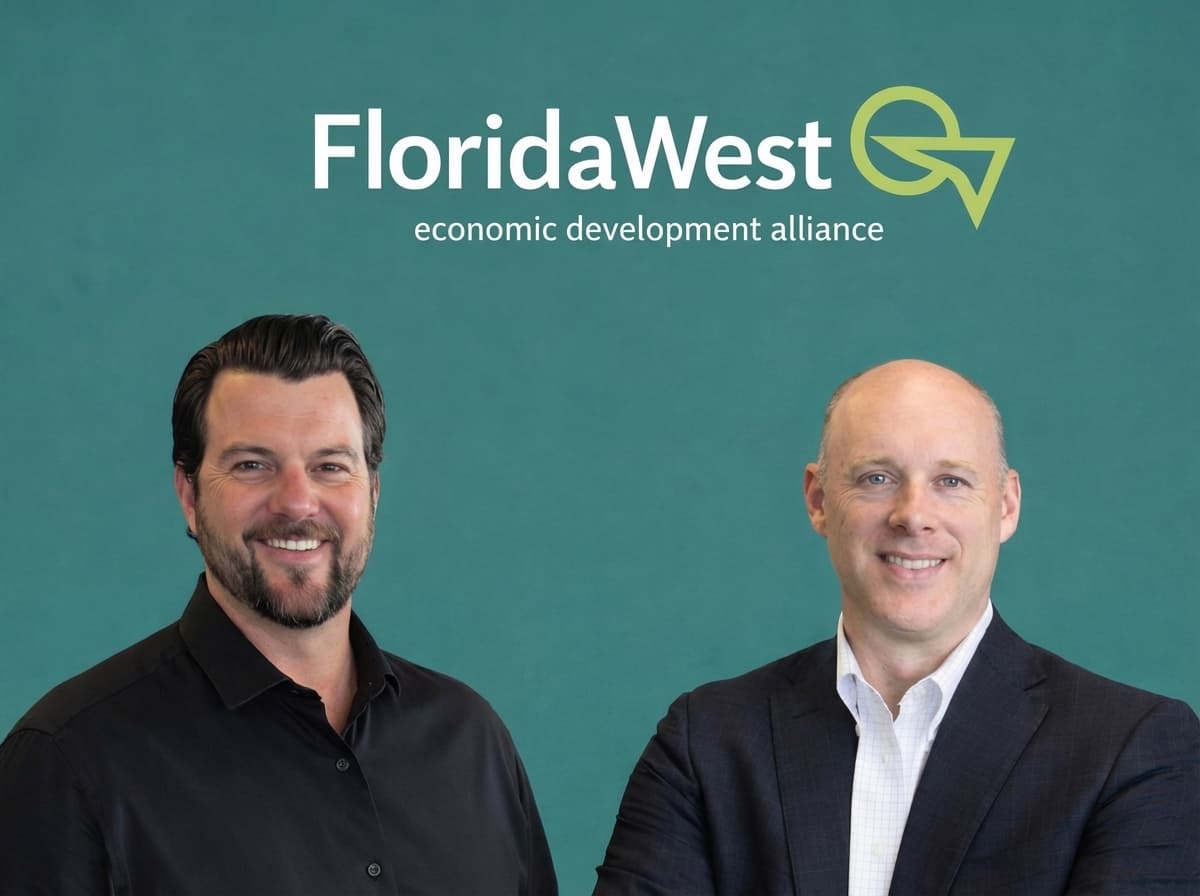
Florida West Economic Development Alliance CEO Chris Platé has detailed a focused strategy positioning Pensacola and Escambia County for transformational growth through four targeted industry clusters. In a conversation on the Beyond the Build podcast, Platé explained that economic development now centers on aerospace and aviation, medical and life sciences, marine and maritime, and cyber and defense sectors. This approach represents a shift from broader recruitment efforts to specialized industry targeting that leverages the region's existing assets and workforce capabilities.
Platé emphasized that modern site selection processes demand accurate data and immediate site readiness rather than political engagement or speculative development. "If you don't have what they need, then don't even apply because it just makes them upset, particularly a consultant," Platé noted, describing how companies now evaluate multiple locations simultaneously with rigorous requirements. Economic developers must coordinate with specialized partners like Florida Power & Light for energy infrastructure and workforce development leaders for labor availability assessments.
Escambia County's current site inventory includes several strategically positioned properties. The 9-acre Pensacola Technology Campus downtown offers turnkey development with substantial power capacity suitable for multi-story buildings and smaller data centers. Midtown Industrial Park, a former brownfield with clean sections, approaches shovel-ready status pending infrastructure optimization. Central Commerce Park represents the most significant opportunity with 240 acres located between I-10 and I-65, currently undergoing road layout and site planning to maximize density while controlling infrastructure costs.
Recent successes demonstrate Pensacola's selective recruitment approach. Field International, an aerospace maintenance, repair, and overhaul supplier serving major manufacturers, relocated its global headquarters from the United Kingdom to Pensacola specifically because the community aligned with the company's family-focused culture. This selectivity reflects Pensacola's competitive position as a market that can prioritize companies enhancing rather than disrupting community character while delivering high-wage employment.
Infrastructure development represents a critical priority, particularly heavy infrastructure for Central Commerce Park to capitalize on its strategic location between major interstates. Energy capacity remains essential across all sites, with even smaller data center projects requiring careful planning with utility providers. The maritime sector shows particular promise through initiatives like Project Maeve at the Port of Pensacola, which could bring approximately 2,000 jobs and stimulate supplier network development throughout the region.
Platé indicated additional projects under consideration, including a potential life science anchor tenant for Tech Park that could connect existing facilities and strengthen the medical cluster. Aerospace projects remain in the pipeline alongside local energy company expansion. For developers and investors, Pensacola's strategic focus on four industry clusters, emphasis on site readiness, and selective recruitment approach signal a maturing market with clear competitive advantages in targeted sectors where the region can compete effectively for high-value projects.