

BioUtah participated in the Biotech Across America State Symposium in Washington, D.C., discussing the strategic importance of robust state and local biotechnology ecosystems in strengthening national security and economic resilience. The symposium is part of the National Security Commission on Emerging Biotechnology's Biotech Across America Roadshow, an initiative designed to showcase biotechnology across America, including companies, academic institutions, workforce development programs, and policy initiatives driving the industry's future. The National Security Commission on Emerging Biotechnology, a legislative branch advisory entity, aims to advance and secure biotechnology, biomanufacturing, and associated technologies for U.S. national security. The Commission published a comprehensive report in April 2025 with recommendations for Congress and the federal government, available at https://biotech.senate.gov.
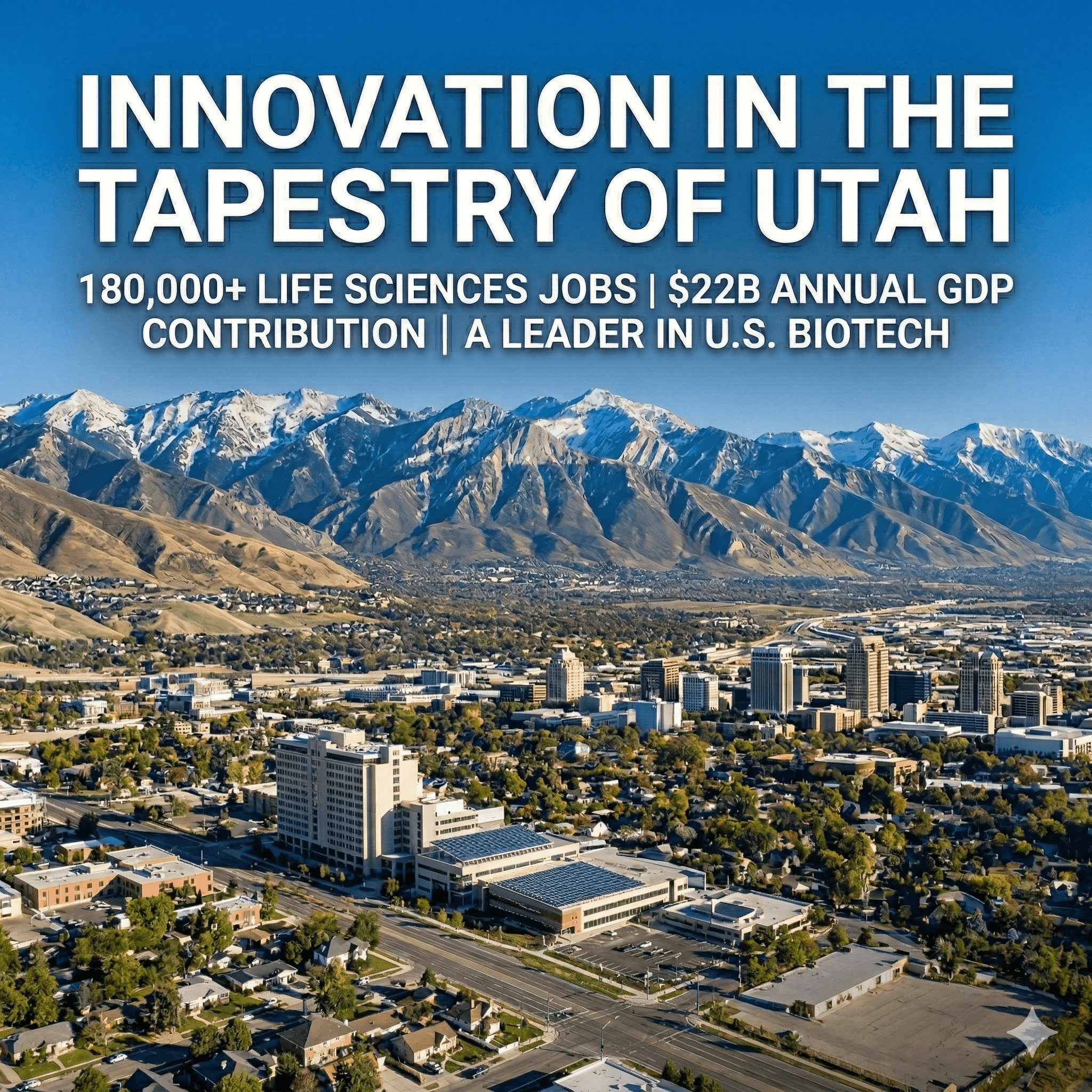
Utah's involvement underscores its significant role in the U.S. biotech sector, with the state recognized as a startup hub, employing 180,000 people in life sciences and generating $22 billion in GDP. BioUtah, an independent trade association serving Utah's life sciences industry, represents a broad spectrum of member companies, and more information can be found at https://bioutah.org. The symposium's focus on state and local ecosystems highlights a decentralized approach to enhancing the nation's bioindustrial capacity, aligning with the Commission's goal of preparing the United States for the bioindustrial revolution. The event also included organizations like the Engineering Biology Research Consortium, a non-profit partnership dedicated to advancing engineering biology, and the Federation of American Scientists, which works to ensure scientific expertise informs policymaking, with details on FAS work at https://fas.org.
The discussions emphasized that vibrant local biotechnology clusters are not just economic assets but are integral to national security. By fostering innovation, workforce development, and resilient supply chains at the state level, the United States can build a more secure and self-reliant bioeconomy. This gathering represents an ongoing effort to translate the Commission's findings into actionable strategies that leverage America's diverse regional strengths in biotechnology, ensuring that local initiatives contribute to broader national objectives. The implications of this announcement are significant, as it signals a shift toward recognizing and investing in state-level biotech ecosystems as a foundational element of U.S. security and economic stability, potentially influencing future policy and funding decisions to support decentralized innovation hubs across the country.