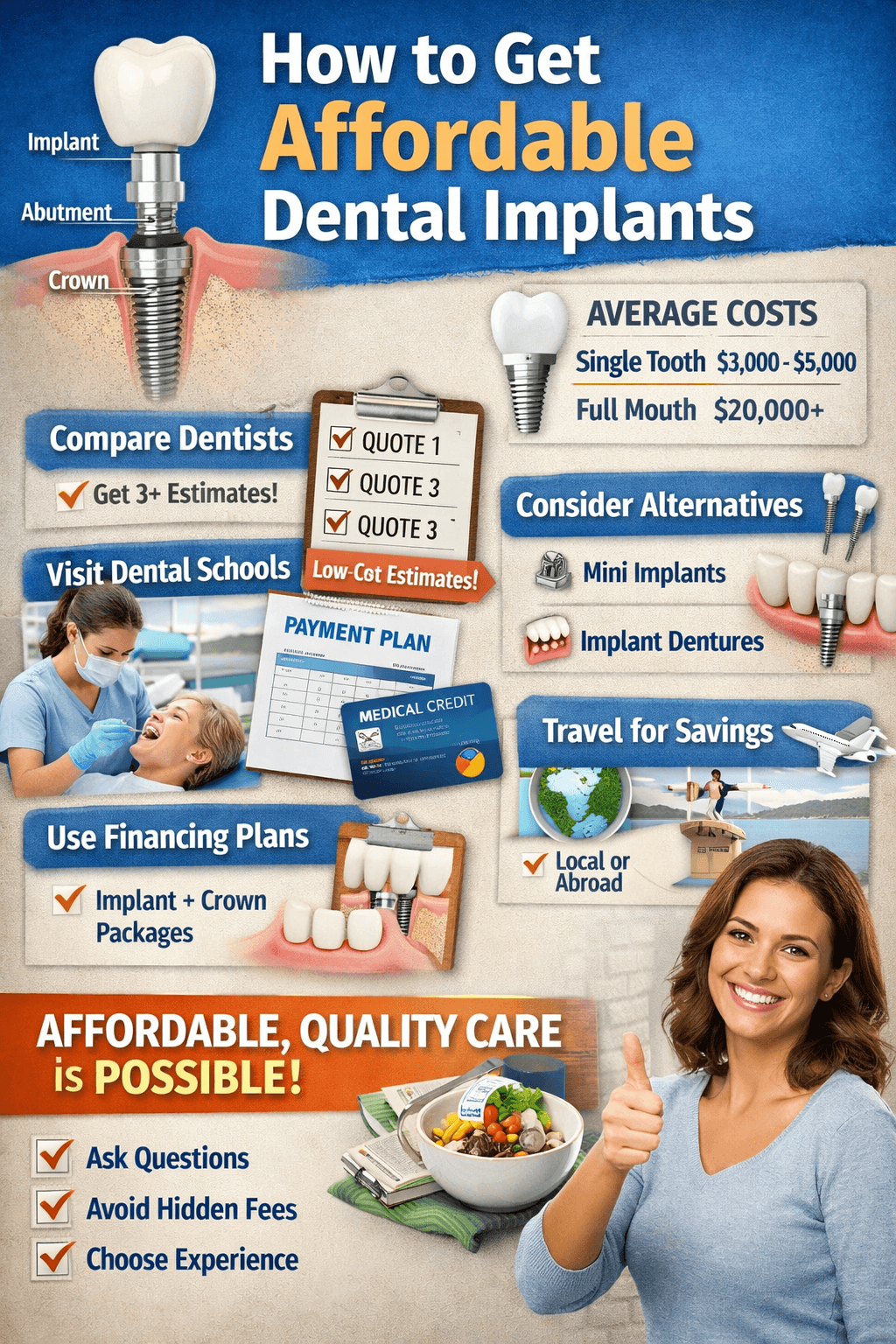
Dental implants, widely regarded as the optimal solution for tooth replacement, involve a surgical procedure that integrates with the jawbone. This process demands specialized expertise, advanced technology, and considerable time, all of which contribute to their substantial expense. The total cost typically encompasses the implant post, abutment, and crown, with potential additional needs such as bone grafting. A clear understanding of this cost structure is essential for patients seeking to identify opportunities for savings. Despite the high initial outlay, implants represent a significant long-term investment, often lasting decades with proper care while helping to preserve jawbone health and prevent further dental issues.
In 2026, average costs for dental implants show considerable variation. A single tooth implant generally ranges from $3,000 to $5,000, while multiple implants can cost between $6,000 and $15,000. Full mouth implants may reach $20,000 to $50,000 or more, with prices fluctuating significantly by region. One effective strategy for managing these expenses is to compare quotes from multiple dental providers, as fees can differ markedly between clinics. Many practices offer bundled packages that include the implant, abutment, and crown, which often prove more economical than paying for each component separately. Specialized implant centers may provide lower prices due to their high procedure volume and in-house laboratories, potentially reducing overhead costs passed to patients.
For those seeking substantial savings, dental schools present a viable option, offering treatments at reduced rates performed by supervised students, though appointments may require more time. Financing solutions such as monthly payment plans and medical credit cards, including CareCredit, can make implants accessible without requiring large upfront payments. While traditional dental insurance might cover preliminary procedures and a portion of the crown cost, in-house membership plans offered by some clinics provide additional discounts. Patients may also consider alternative treatments like mini dental implants, which are smaller and less invasive, or implant-supported dentures that use fewer implants to support a full arch, potentially lowering overall expense.
Dental tourism, whether traveling domestically or abroad, can yield significant cost savings, but necessitates thorough research to ensure safety and quality standards. To avoid unexpected expenses, patients should inquire about all-inclusive pricing and potential additional fees before proceeding. Emphasizing quality over the lowest price is crucial, as substandard work can lead to complications requiring costly corrections. By strategically employing these approaches—comparison shopping, exploring financing and insurance options, considering alternatives, and carefully vetting providers—individuals can achieve affordable, durable dental implants that enhance both aesthetic appearance and overall quality of life.