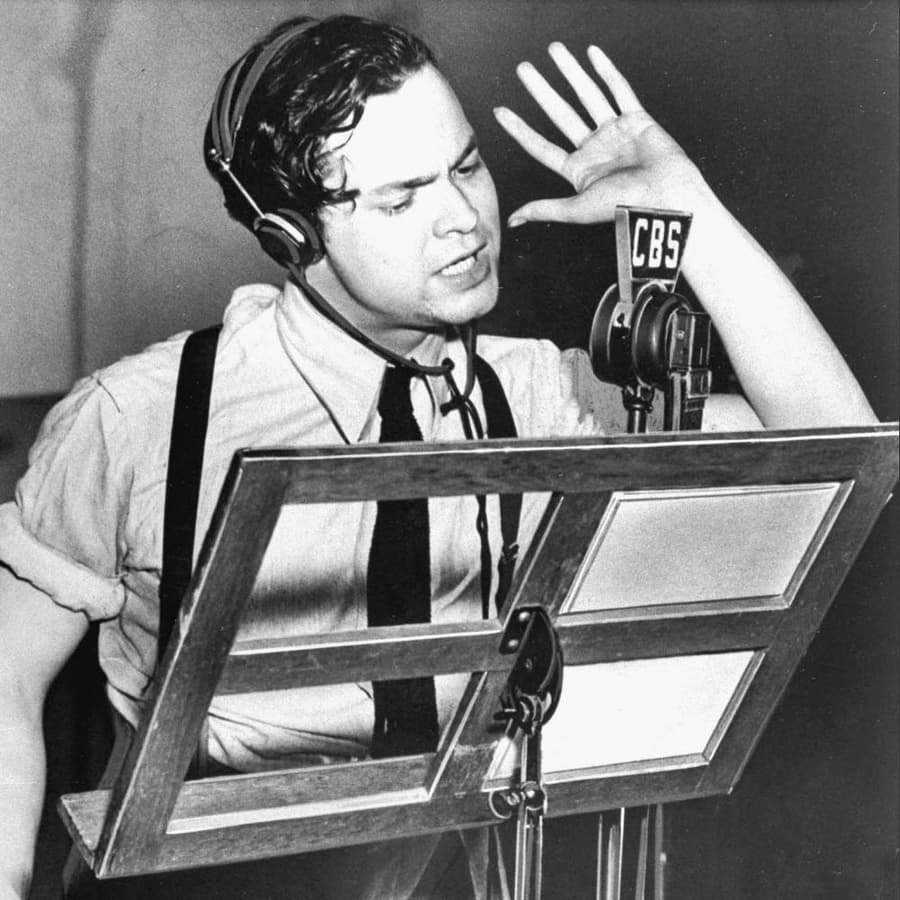
William Elliott Hazelgrove's latest book, 'Dead Air: The Night Orson Welles Terrified America,' published by Rowman and Littlefield, delves into the widespread panic triggered by Orson Welles' 1938 radio dramatization of H.G. Wells' 'War of the Worlds.' The book challenges the conventional narrative that the broadcast's impact was limited to the East Coast, presenting evidence of nationwide hysteria through extensive research and archival newspaper accounts.
Hazelgrove's findings include harrowing tales of individuals who believed in the Martian invasion, such as a woman considering suicide and farmers shooting at a water tower mistaken for an alien spacecraft. These stories underscore the psychological toll of the broadcast, which was made believable by Welles' innovative use of a breaking news format and moments of silence, techniques that were groundbreaking at the time.
The book also examines the broadcast's lasting effects on the radio industry and media regulations, highlighting how the incident prompted changes in the handling of fictional content. Hazelgrove's research, praised by the Wall Street Journal and Publishers Weekly, offers a more nuanced understanding of the event's national impact, emphasizing the importance of media literacy and critical thinking in an era of misinformation.
With its release, 'Dead Air' provides timely insights into the power of media to influence public perception and behavior, drawing parallels between the 1938 panic and contemporary challenges with fake news. Hazelgrove's work is a significant contribution to discussions on media influence, offering a detailed account of a pivotal moment in American media history. For more information, visit https://www.williamhazelgrove.com.