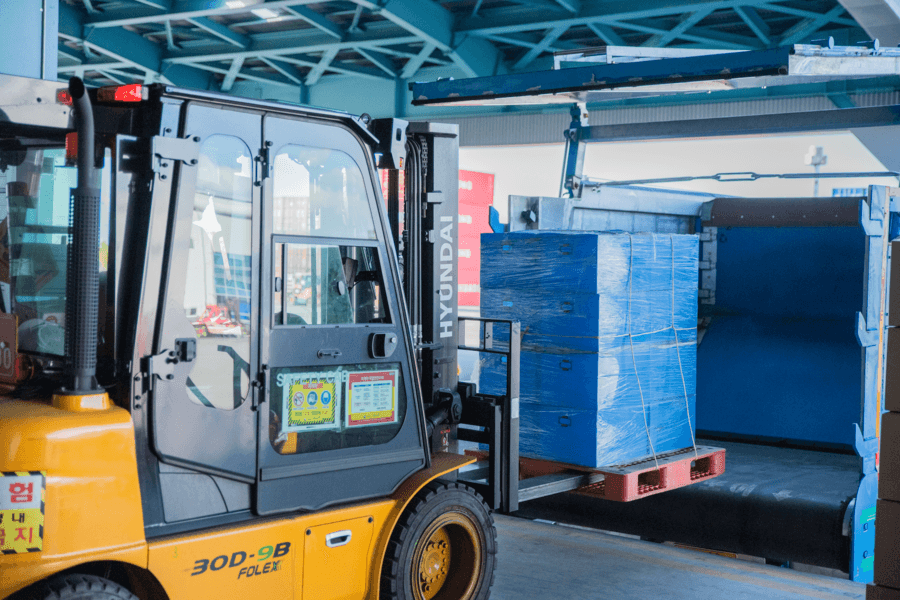
South Korea's SpeedFloor Co., Ltd. has introduced an innovative system designed to tackle the pressing challenges of sustainability and profitability in the logistics sector. The SpeedFloor system digitalizes the cargo space of existing trucks, providing real-time data on cargo status and available capacity. This advancement allows logistics companies to optimize their operations by efficiently transporting additional freight along established routes, thereby maximizing revenue potential without increasing the number of vehicles on the road.
One of the system's standout features is its advanced partition system with targeted cooling, which activates only in necessary areas, leading to energy savings of over 30%. This significant reduction in energy consumption not only supports environmental sustainability but also enhances the operational efficiency of logistics providers. The introduction of SpeedFloor is seen as a paradigm shift in logistics technology, setting a new industry standard by focusing on efficiency, energy savings, and environmental protection.
The potential impact of SpeedFloor on the logistics industry is considerable. It offers a viable solution for companies looking to reduce their environmental impact without compromising profitability. By optimizing cargo space utilization and implementing energy-efficient cooling systems, logistics providers can potentially decrease the number of trips required to transport goods, resulting in fewer vehicles on the road and lower overall emissions.
Moreover, the real-time insights provided by SpeedFloor's digitalization of cargo space could revolutionize decision-making in logistics operations. Improved data accessibility may lead to better route planning, reduced idle time, and more efficient use of resources across the supply chain. The launch of SpeedFloor underscores the increasing importance of technology in addressing environmental challenges, demonstrating how innovative solutions can contribute to a more sustainable future.
For businesses in the logistics sector, adopting systems like SpeedFloor could offer a competitive advantage. As sustainability becomes a priority for consumers and regulators alike, companies that can show tangible reductions in energy consumption and emissions may find themselves at a favorable position in the market. The success of SpeedFloor could inspire further innovations in the field, potentially leading to a new wave of technologies aimed at making logistics operations more sustainable and efficient.
The introduction of SpeedFloor by SpeedFloor Co., Ltd. represents a significant advancement towards a more sustainable and profitable logistics industry. By addressing both environmental concerns and operational efficiency, the company is not only providing a solution to current challenges but also paving the way for future developments in the sector. Innovations like SpeedFloor are expected to play a pivotal role in shaping a more sustainable and efficient future for global supply chains.