

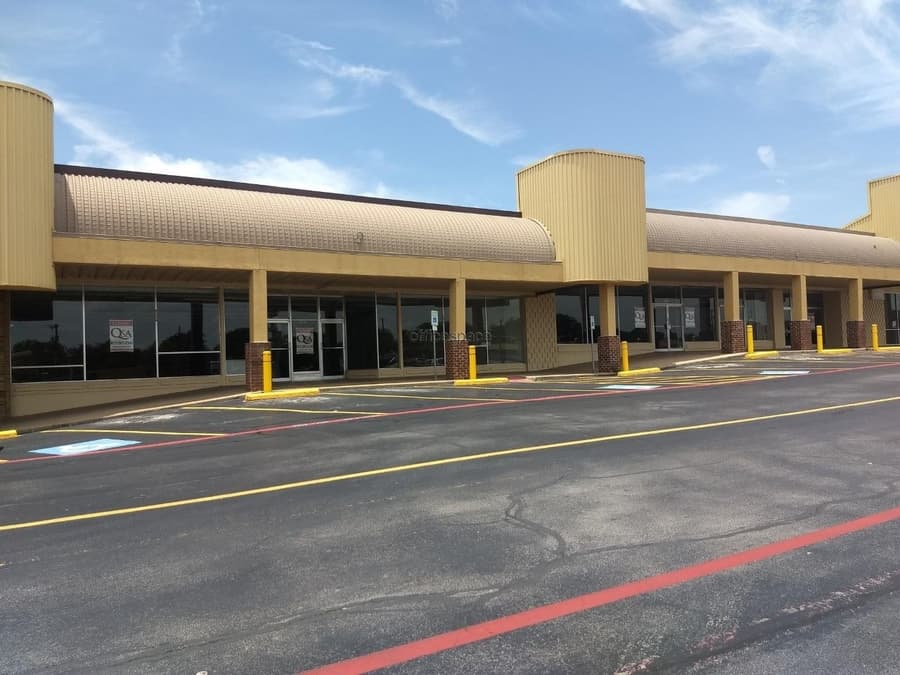
Haltom City, situated between Dallas and Fort Worth, is witnessing a notable decrease in its population, with a 2.03% drop since the 2020 census, now totaling 45,051 residents. This decline contrasts sharply with the rapid expansion of nearby cities such as Fort Worth, which is adding approximately 1,000 new residents daily. The situation has prompted local leaders and business advocates to identify causes and suggest measures to rejuvenate the city's older sectors.
Ron Sturgeon, founder of www.makehaltomcitytriveagain.com, points to the city's preferential treatment of the newer north side over the older south and central areas as a key factor. 'City leaders don't have a plan for South and Central Haltom City, the older parts of the city,' Sturgeon remarked. He argues that without efforts to attract small businesses back to the main corridors, the population will continue to dwindle.
Joe Palmer, Communications Director for the Haltom United Business Alliance (HUBA), shares Sturgeon's concerns, highlighting the challenges posed by current zoning regulations. Palmer suggests that revising the 'use matrix' could foster small business growth and stimulate revitalization. Both Sturgeon and Palmer advocate for the modification or elimination of strict parking regulations, which they believe are a barrier to the redevelopment of older buildings and the attraction of new businesses.
The proposed changes aim not only to draw new businesses and residents to Haltom City's older areas but also to alleviate the tax burden on current residents and bolster the city's infrastructure and services. 'Haltom City could remove these unwieldy parking mandates, which are often ineffective and inefficient,' Sturgeon stated, emphasizing the potential for these adjustments to lead to a more dynamic and thriving community.