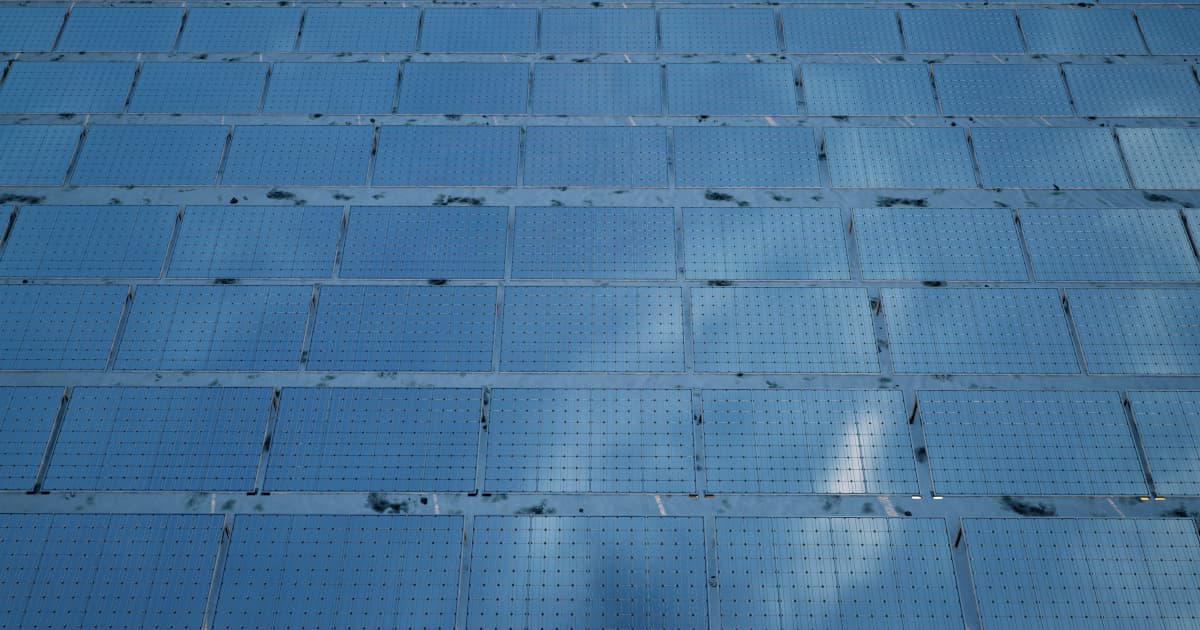
PowerBank Corporation has secured site control for two new solar energy projects in the northeastern United States, continuing its expansion of renewable energy infrastructure across North America. The company announced a 2.8 MW solar project in upstate New York and a 3.16 MW project in Pennsylvania, both now progressing to the interconnection study phase before construction can begin. This development represents significant progress in the company's strategic growth within renewable energy markets, as detailed in their official news release available at https://ibn.fm/f8teZ.
The Day Hollow, New York project represents significant local energy generation capacity, with the potential to supply electricity for approximately 374 homes. This development qualifies under New York's Value of Distributed Energy Resources program, which provides compensation for distributed energy resources based on their value to the grid, environment, and society. The Pennsylvania project's development is contingent upon the final approval of House Bill 1842, legislation that would authorize community solar programs within the state. This dependency underscores how state-level energy policy directly influences renewable energy deployment and investment decisions.
Community solar programs allow multiple customers to subscribe to a shared solar array and receive credits on their electricity bills, expanding access to renewable energy for residents who cannot install solar panels on their own properties. This model represents a crucial advancement in democratizing clean energy access and addressing energy equity concerns. The expansion into these two northeastern states reflects the growing demand for distributed solar energy solutions and the importance of state-level renewable energy policies in driving clean energy adoption.
PowerBank has now developed more than 100 MW of renewable energy projects and maintains a development pipeline exceeding 1 GW. The company's strategy focuses on creating value for stakeholders by growing its portfolio of cash-generating independent power producer assets for recurring revenue or completing strategic project sales. This approach demonstrates how renewable energy development has evolved into a mature investment sector with predictable revenue streams, making it increasingly attractive to institutional investors seeking stable returns while supporting environmental goals.
These projects contribute to regional renewable energy goals while providing local economic benefits through job creation and increased tax revenue. The successful implementation of such projects serves as a model for other states considering similar renewable energy initiatives, highlighting the tangible economic and environmental benefits that can be achieved through thoughtful energy policy and private sector investment. Investors and stakeholders can access ongoing updates through the company's dedicated news platform at https://ibn.fm/SUUN.