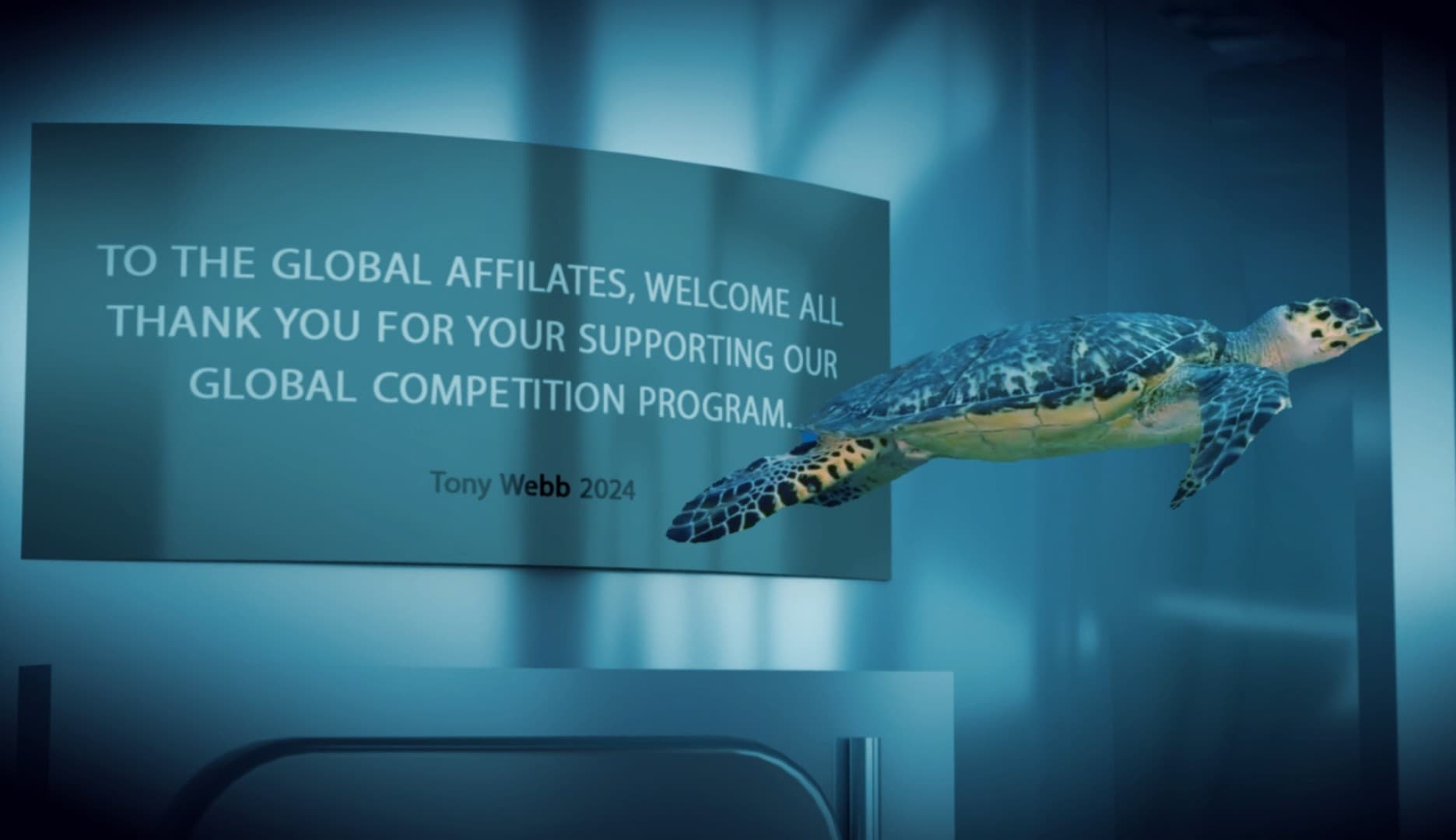
Planet Ocean Underwater Hotels, LLC has announced the creation of a documented, patent-protected pathway to safe human living underwater, enabled by U.S. Patent Design D-736947 and advanced through the USA–UAE Coral Civilization Initiative. According to Managing Director Tony Webb, this represents the first time underwater habitation moves beyond experimental or permanent installations, establishing instead a movable, non-anchored platform operating at shallow, human-safe depths. The design creates what the company describes as a "zero-discharge underwater living platform" that remains fully retrievable, relocatable, and storm-evasive. This development marks what Planet Ocean calls "first-time in civilization" capability for humans to live underwater, though the company emphasizes the platform operates at depths no greater than 30 feet for safety.
The movable underwater hotel is designed for ordinary people's enjoyment rather than specialized scientific or military applications. The innovation introduces what Planet Ocean identifies as a new category of tourism that blends hospitality, science, and conservation into a single operational underwater platform. This approach represents a significant shift from previous underwater habitats, which were typically fixed installations with limited mobility and accessibility. The company's employee-owned operation fabricates and operates what it describes as affordable movable underwater luxury hotels for global supporters. Planet Ocean Underwater Hotels, LLC is based in Key West, Florida, with fabrication, assembly, and training operations in the Houma and Morgan City area of Louisiana.
The company's development through the USA–UAE Coral Civilization Initiative suggests international collaboration in advancing underwater habitation technology. The patent-protected system establishes a regulated framework for underwater living that previously existed only in experimental contexts or permanent scientific installations. The announcement positions underwater living as an accessible experience rather than an extreme endeavor, with the platform's mobility and retrievability addressing key safety concerns that have limited previous underwater habitat development. By operating at shallow depths and maintaining storm-evasion capabilities, the design addresses practical challenges that have hindered commercial underwater hospitality ventures.
This development represents a significant step toward making underwater environments accessible for extended human presence beyond brief recreational diving experiences. The platform's design as a movable, non-anchored structure distinguishes it from historical underwater habitats that were permanently fixed to the ocean floor. The company's emphasis on affordability and accessibility suggests a deliberate effort to democratize underwater living experiences that were previously available only to researchers, military personnel, or wealthy adventurers. The integration of conservation elements within the operational platform indicates an awareness of environmental responsibilities associated with human presence in marine ecosystems.
The patent protection through U.S. Patent Design D-736947 provides legal recognition and protection for the technological innovations that enable this new approach to underwater living. The development signals potential growth in underwater tourism and hospitality sectors that could create new economic opportunities in coastal regions. The technology's emphasis on safety through shallow-depth operation and storm-evasion capabilities addresses longstanding public concerns about underwater habitation risks. This advancement may inspire further innovations in marine architecture and underwater engineering as commercial interest in ocean spaces continues to expand globally.